Your Senseo machine sits proudly on the countertop, but the stock of disposable pods is dwindling fast. The reusable Senseo pod offers a sustainable alternative, provided you master a few precise techniques. Grinding, dosing, maintenance: every detail affects the result in the cup.
Material of the reusable Senseo pod: stainless steel, plastic, or silicone
Before talking coffee, you need to choose the right container. Reusable Senseo pods come in three main materials, each affecting the quality of extraction.
The stainless steel models (like the Evergreen capsules or certain compatible references) resist corrosion and retain heat better during brewing. Their rigid wall ensures stable pressure. Food-grade plastic, used by Ecopad, is cheaper to purchase but deforms after several hundred cycles.
You can learn everything about the reusable Senseo pod to compare the available models and their technical specifications.
A rarely discussed point: silicone seals determine the tightness of the pod in the filter holder. Feedback from heavy users indicates a lifespan of up to 500 cycles, but only if cleaning is done after each use. A dirty seal causes side leaks and under-extracted, watery coffee.
Reusable pod and coffee grind: the adjustment that changes everything
Have you ever ended up with a coffee that was too light, almost translucent, with your reusable pod? The problem almost always comes from the grind.
Finding the right grind size
A Senseo operates at low pressure compared to an espresso machine. The ideal grind is between a classic filter and espresso, meaning a fine grind but not powdery. A grind that is too fine creates overpressure: the machine struggles, and the water doesn’t pass through properly. A grind that is too coarse allows the water to flow through without extracting the flavors.
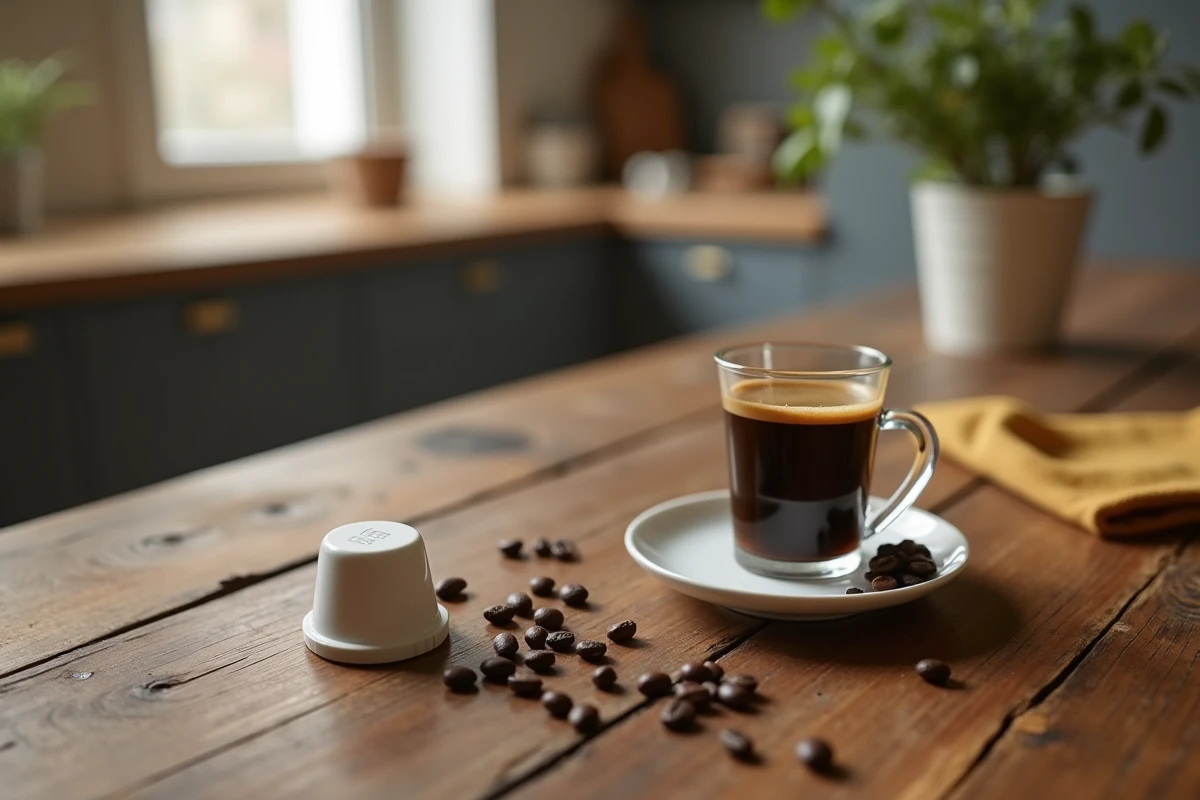
If you buy ground coffee at the supermarket, look for the label “fine filter grind” or “special soft pod.” Buying whole beans, ground on-site at a local roaster, allows for a custom adjustment and superior freshness.
Dosing and tamping without excess
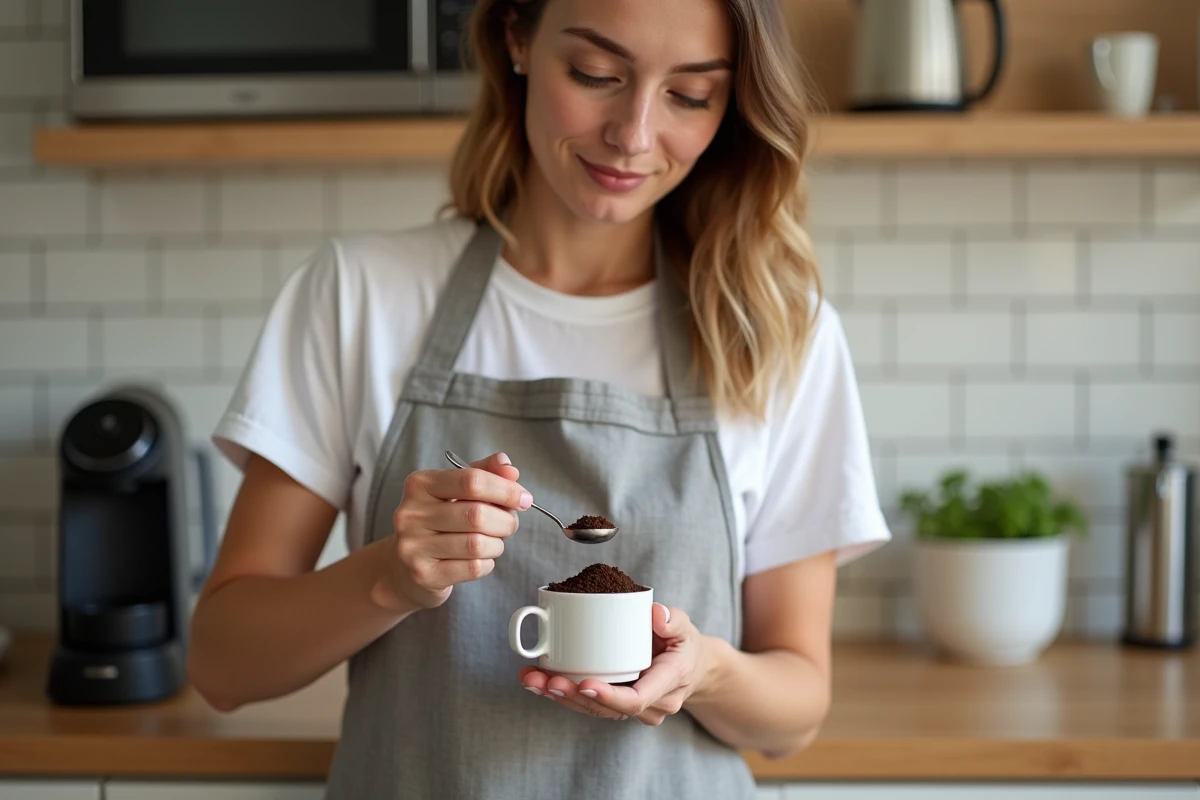
Fill the pod to the level marker when one exists. In the absence of a marker, leave a space of two to three millimeters between the coffee and the upper edge. Never tamp the coffee like for an espresso: a light press with the back of a spoon is sufficient. The goal is to even out the surface, not to compress the grind.
- Light coffee (like mild arabica): fill slightly above the marker to compensate for the lower density of the bean.
- Strong coffee (like robusta or intense blend): stay at the marker level, as the denser grind already slows down the passage of water.
- Decaffeinated: same rules as mild arabica, as the grind structure is similar after decaffeination.
Matcha tea, infusions, and alternative drinks in a Senseo pod
Guides on the reusable Senseo pod focus on black coffee. However, the low-pressure system of the Senseo is suitable for other preparations, provided you adapt the method.
Preparing matcha with the Senseo
Matcha tea powder is finer than the tightest coffee grind. Used alone, it would clog the pod. Mix half a spoon of matcha with a spoon of puffed rice powder or food starch to create enough volume and allow the water to circulate. The result doesn’t replace a chasen whisk, but produces a concentrated green drink that you can extend with plant-based milk.
Infusions and herbal teas in a reusable pod
Loose herbal tea leaves (verbena, chamomile, mint) work well if they are finely chopped. Whole leaves block the flow or let the water pass too quickly without infusing. Cut the leaves with scissors until you get pieces of about three millimeters.
For an iced drink, start a short cycle with the well-filled pod, then pour the resulting concentrate over a large glass of ice cubes. The concentration of the extraction compensates for the dilution by the ice. This technique also works with rooibos or Japanese green tea in ground leaves.
Daily maintenance of the reusable Senseo pod
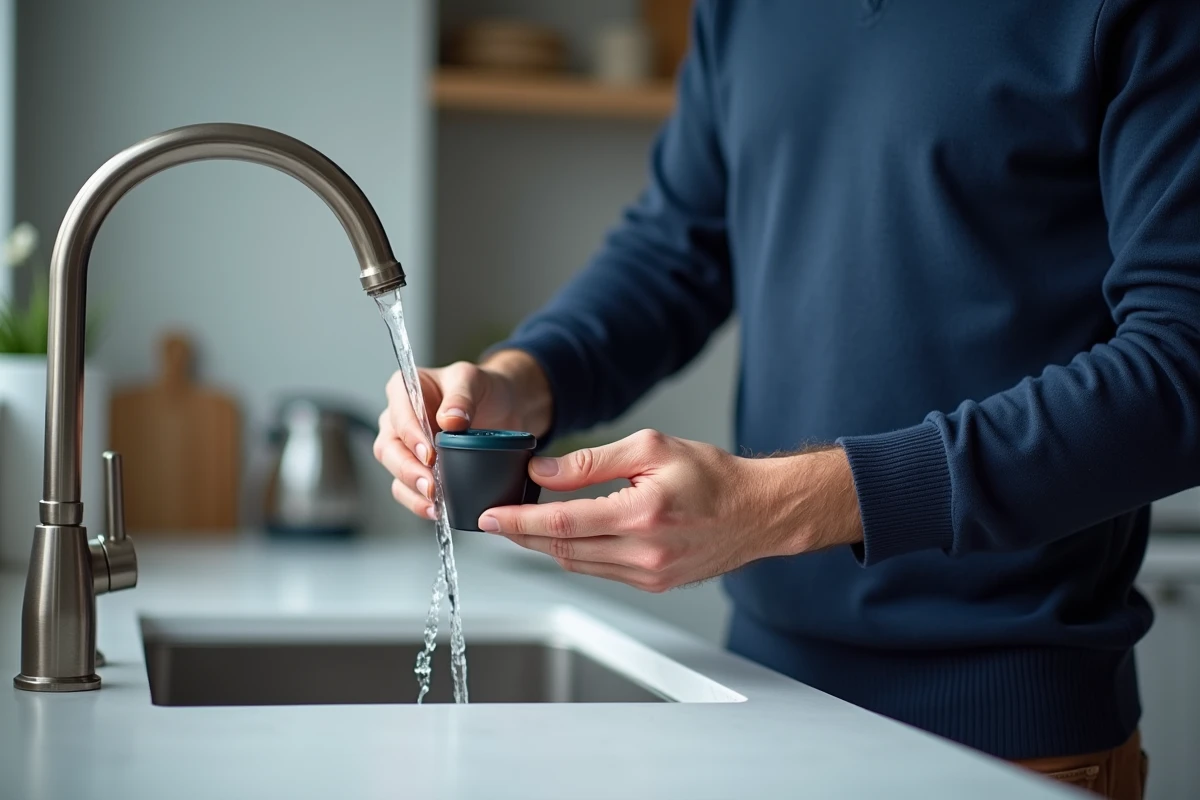
A quick rinse under hot water after each use is sufficient for routine maintenance. But this simple action does not replace regular deep cleaning.
About every two weeks, soak the pod in a mixture of hot water and white vinegar for about fifteen minutes. Coffee oil residues accumulate in the micro-perforations of the filter and eventually alter the taste. A dirty filter gives a rancid aftertaste, even with freshly ground coffee.
- Check the condition of the silicone seal during each cleaning: a seal that has lost its elasticity or shows cracks should be replaced.
- Never use scented dish soap: aromatic residues linger in the porous stainless steel and contaminate the next cups.
- Air dry the pod, filter side down, to avoid water stagnation in the perforations.
Stainless steel reusable pods can withstand the dishwasher, but repeated high-temperature cycles can weaken the seal faster than hand washing. Decide based on your frequency of use.
The reusable Senseo pod reduces plastic waste and the cost per cup in the long run, especially if you opt for locally ground coffee. The choice of material and the maintenance of the seal determine the longevity of the system. Once the right habits are in place, the daily routine takes less than thirty seconds, coffee included.