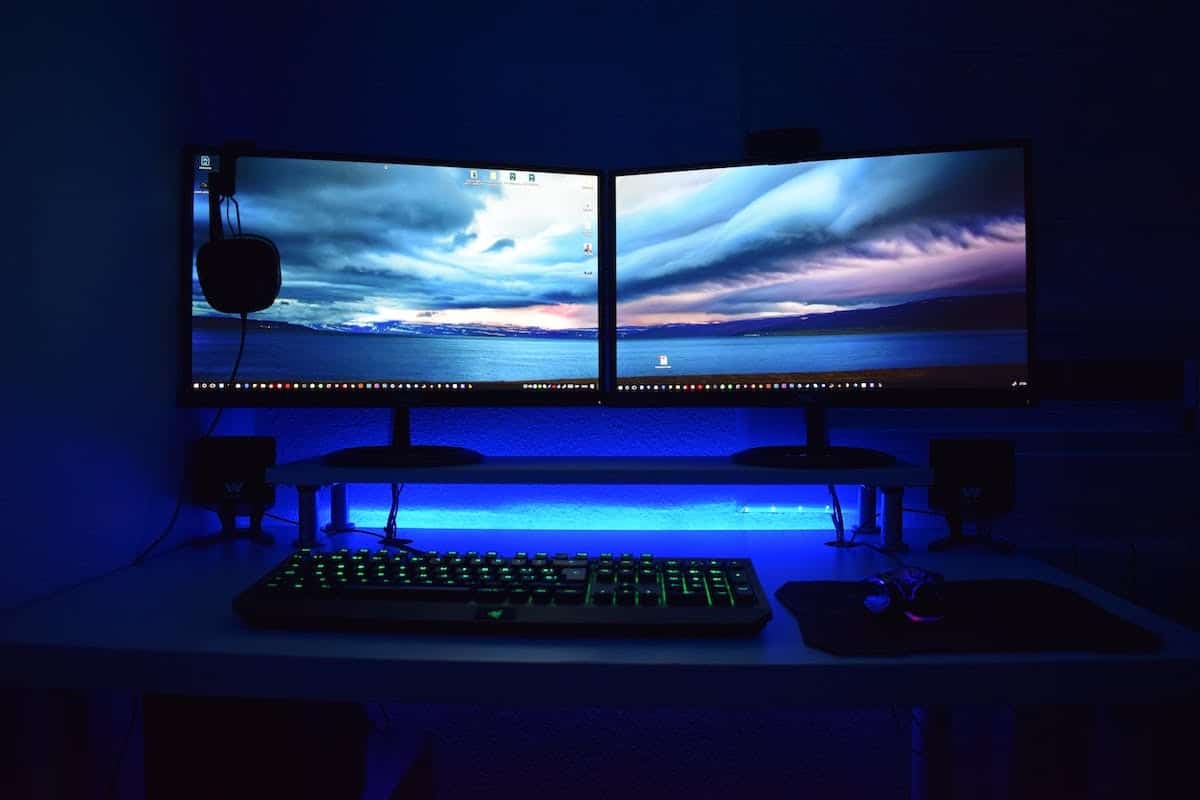
The gaming universe is constantly evolving, and often, players seek to enhance their gaming experiences. The PlayStation 4, a widely appreciated gaming console, offers unexpected possibilities, such as the ability to connect to a laptop. This may seem complex to some, but with clear instructions and appropriate tips, it’s a task that anyone can accomplish. Utilizing this feature can greatly enhance the gaming experience, providing more flexibility and control. So, how exactly do you proceed? Here’s a guide to help you take this step.
Prerequisites: the technical requirements to enjoy the PS4
To connect a PS4 to a laptop, make sure you have the necessary technical prerequisites. Check that your laptop has an HDMI output. This connection will allow you to transfer the image and sound from the console to the laptop screen.
Ensure that your PS4 also has an HDMI port to establish the link with the laptop. If your computer does not have this output or if you prefer to use an alternative method, there are adapters available on the market that can assist you in this process.
Once these elements are in place, choose the connection method that best suits your needs. The first option is to connect the two devices directly via an HDMI cable. Simply plug one end of the cable into the HDMI port of the laptop and the other end into the PS4.
If you do not have an HDMI cable or if you want to avoid bulky wires, you can opt for a wireless connection via Wi-Fi. To do this, ensure that your Wi-Fi network is enabled on both the laptop and the PS4. Follow the instructions provided by Sony to establish a connection between the two devices.
Once you have successfully connected your devices, take a moment to configure your PS4 settings according to your laptop’s specifications. You may need to adjust the video resolution or tweak some audio settings to achieve the best possible gaming experience.
We have some tips and recommendations to help you enhance your gaming experience. Ensure that your laptop is powerful enough to handle the graphical demands of the games you wish to play. If necessary, update your graphics drivers to optimize performance.
Consider connecting your PS4 directly to a power outlet rather than to a USB port on the laptop. This will ensure a stable power supply and avoid performance issues related to a low battery.
If you encounter difficulties or delays in connection or display during gameplay, consider lowering the video resolution or adjusting other settings to promote smoother gameplay.
So here are all the necessary steps to connect a PS4 to a laptop. With these practical tips and wise suggestions, you can fully enjoy your favorite games with even more comfort and flexibility.
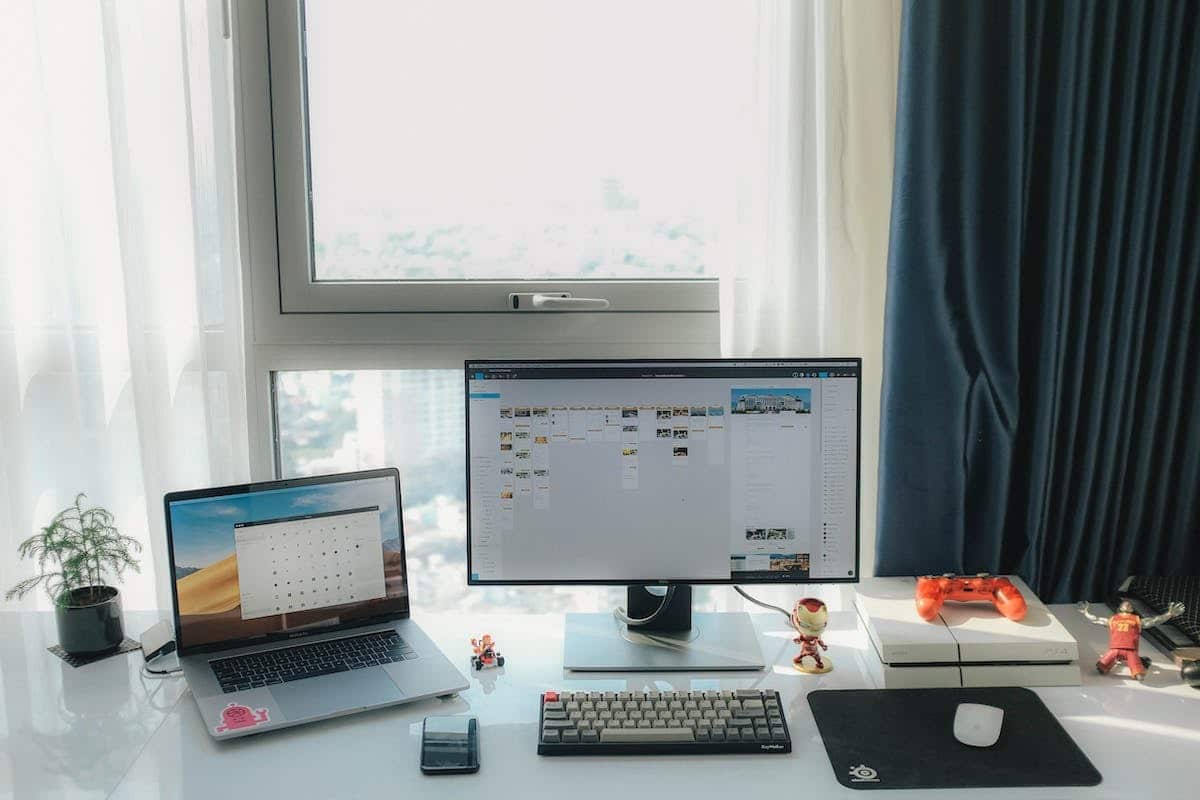
Connection: what connection choice for your console
To connect a PS4 to a laptop, you need to choose the connection method that best suits your needs. Depending on your setup and available resources, different options are available to you.
The first method is to use an HDMI cable. This solution ensures stable and high-quality transmission of image and sound between the two devices. Simply plug one end of the cable into the available HDMI port on your laptop, then connect the other end to the HDMI port of the PS4. Make sure the connections are secure before turning on the devices.
If your laptop does not have an HDMI port or if you prefer to avoid bulky wires, another option would be to use a wireless connection via Wi-Fi. To do this, ensure that both your laptop and PS4 are connected to the same home Wi-Fi network. Once this condition is met, follow the instructions provided by Sony to set up the connection between the two devices.
A third possibility is to use a specific adapter to connect the PS4 to the laptop. These adapters can vary depending on brands and models, but generally allow for a direct link between the two devices without needing an HDMI cable or going through the Wi-Fi network.
Before making a final decision on the chosen method, also consider the performance requirements of your favorite games as well as the hardware and software capabilities available on your laptop. If it is not powerful enough to handle the graphical demands of the games, the quality of the image and sound may be affected. In this case, it may be wise to invest in a hardware upgrade or reduce the graphical settings of the games to ensure a smooth experience.
Connecting a PS4 to a laptop offers new possibilities and flexibility for players eager to experience their favorite games on a larger screen or while on the go. Choosing the connection method suited to your needs will allow you to fully enjoy these gaming experiences without compromising quality or comfort.
HDMI Cable: the best option for a stable connection
When you opt for a connection via an HDMI cable, you benefit from an immersive visual and sound experience thanks to the stable data transmission. Make sure to choose a quality HDMI cable to ensure optimal performance.
Once you have connected both ends of the cable to the corresponding ports on your laptop and PS4, turn on your devices. Your laptop should automatically detect the HDMI source and display your console’s screen. If it does not, check the display settings on your laptop to select the appropriate HDMI input.
The connection via an HDMI cable also offers the possibility to play in mirror or extended mode. In mirror mode, the game screen appears on both the laptop monitor and the PS4, while in extended mode, you can use the laptop screen as a second monitor while playing solely on it.
Wi-Fi: a convenient but less reliable alternative
If you prefer to avoid bulky cables, you can also opt for a Wi-Fi connection between your PS4 and your laptop. Although this method may be slightly less stable than a wired connection, it still offers great flexibility.
To establish a Wi-Fi connection between your two devices, first ensure that your laptop has a wireless network card compatible with the technology for optimal performance. It is recommended to place your PS4 and laptop close to each other to maximize the signal strength.
The setup process may vary slightly depending on the operating system used on your laptop. Start by enabling the Wi-Fi feature on each device. On the PS4, go to the network settings in the main menu and select ‘Set Up Internet Connection’. Then choose ‘Wi-Fi’ as the connection method and follow the on-screen instructions to select the wireless network you wish to connect to.
On your laptop, look for Wi-Fi options in the network settings or control center depending on the operating system used. Select the same wireless network as the one chosen on your PS4 and enter the associated password if necessary.
Once this is done, wait a moment while your devices connect to the wireless network. Once successfully connected to the Internet via Wi-Fi, you should be able to use various services such as PlayStation Network or share files between your two devices.
However, be aware that the Wi-Fi connection may not offer the same speed and latency performance as a wired connection. If you experience issues during online gaming or notice a significant degradation in performance, consider using the HDMI cable connection for a more stable experience.
Whether you choose a connection via an HDMI cable or via Wi-Fi, connecting your PS4 to your laptop offers great flexibility to play your favorite games on a big screen. Choose the method that best suits your needs and enjoy an immersive gaming experience wherever you are.
Configuration: optimize your PS4 settings
Configuring your PS4 settings is a crucial step to ensure an optimal gaming experience when connecting to a laptop. Here are some tips to guide you through the process.
Make sure your PS4 is updated with the latest system software version. To do this, go to your console settings and select the ‘System Software Update‘ option. If an update is available, download and install it to benefit from the latest improvements and features.
Once this step is complete, you can customize various settings according to your preferences. In the video settings, for example, you have the option to adjust the resolution and display format according to your laptop’s specifications.