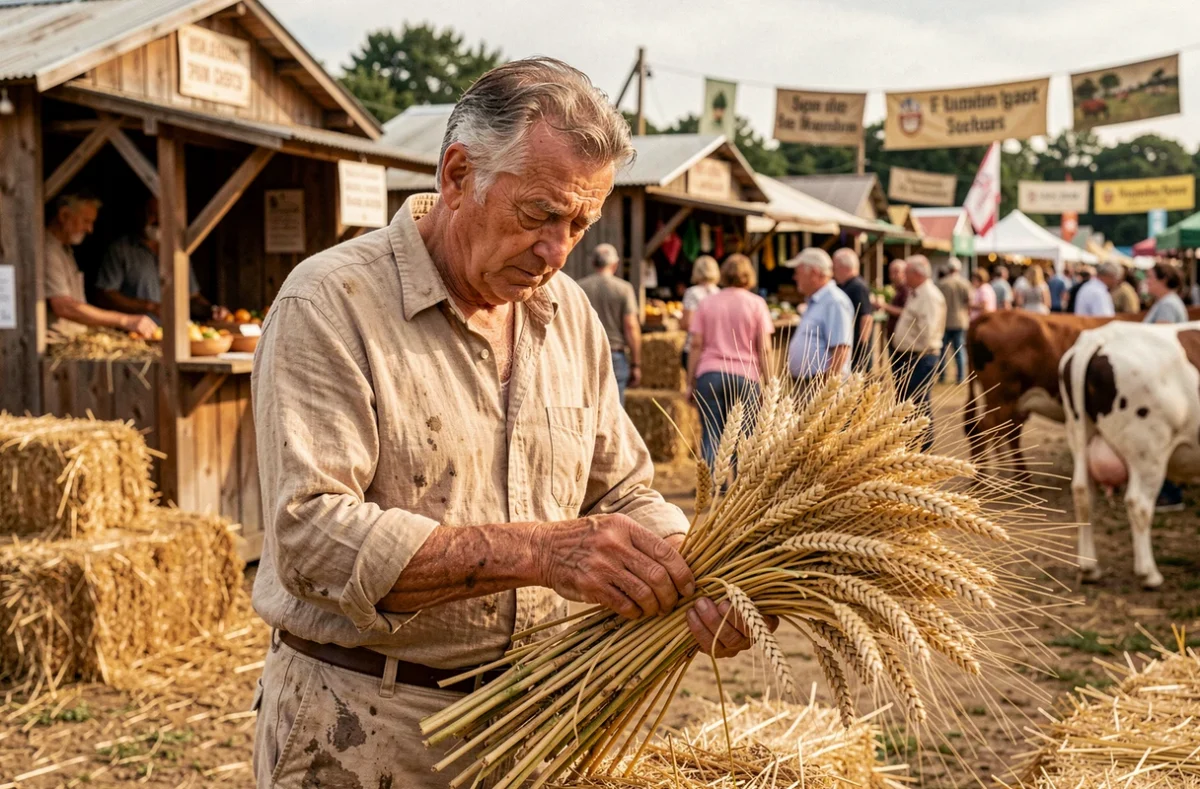
Agricultural competitions assess on-the-ground practices (grassland management, agroforestry, animal health treatments) using criteria that combine agronomy and ecology. In France and Belgium, these initiatives go beyond simply ranking participants: they document local expertise, bring low-profile technical practices to light, and foster dialogue between naturalists and livestock farmers right there in the field.
When a field jury becomes an agricultural advisory tool
Most participants describe agricultural competitions as award ceremonies. But the most valuable part happens before the prizes are handed out, during the field visit.
Juries bring together botanists, wildlife specialists and agronomists. On the Aubrac plateau, one such jury assessed a meadow both for its floral diversity and for its nutritional value for livestock. On that occasion, the award-winning farmer discovered rare plants on his own land that he had never identified before.
This combination of naturalist expertise and the farmer’s observational knowledge turns the assessment into an opportunity for advice. The farmer leaves with a deeper understanding of their farm, not just a medal. In Belgium, Sagrinature illustrates this approach by combining competitions with recognition for nature-friendly practices.
Local competitions thus function as participatory audits: the jury brings an outside perspective, the farmer contributes their knowledge of the land, and both parties benefit from the feedback.
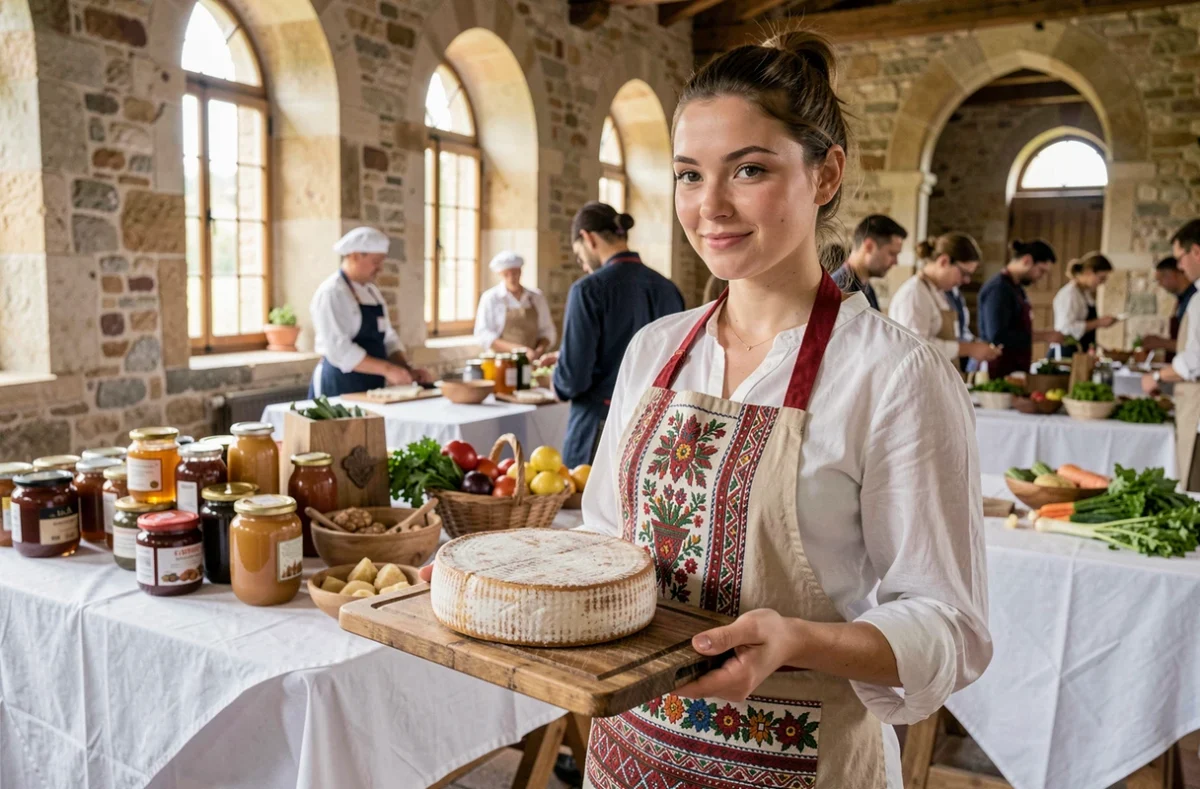
Agroecological practice assessment criteria: what juries look for
Assessment criteria go beyond the landscape or the number of species recorded. They also take into account low-profile but crucial technical practices that support biodiversity.
On the Aubrac plateau, the jury noted the careful approach to parasite treatments: preliminary testing, treatments administered only when necessary, and timing designed to limit impacts on dung beetles. This kind of fine-tuned management broadens the meaning of local expertise far beyond the species observed or the beauty of a meadow.
Key assessment areas in grassland and agroforestry competitions
- The floral diversity of the plot, measured through a botanical survey during the field visit, which provides insight into both ecological richness and forage quality.
- Livestock health management, particularly the judicious use of antiparasitic treatments based on preliminary testing, to protect dung fauna (dung beetles, earthworms).
- The integration of trees and hedgerows into the farming system, assessed in the agroforestry category created to recognize these specific practices.
- Farm self-sufficiency, meaning its ability to make use of local natural resources rather than external inputs.
The Agroecological Practices Competition, part of the Concours Général Agricole, has two main categories: meadows and rangelands on the one hand, and agroforestry on the other. This distinction makes it possible to tailor the criteria to the realities of each system.
New regulations on hedgerows and agricultural competitions in France
French hedgerow regulations have recently been reorganized, making management and compensation rules clearer. This change provides a practical framework for the practices assessed in competitions: a farmer who maintains and manages their hedgerows is not simply making a landscaping choice, but operating within a specific regulatory framework.
For juries, these regulations provide a benchmark. Good agricultural and environmental conditions now define what constitutes a hedgerow for regulatory purposes, making objective assessment during field visits easier.
Regional competitions can therefore bridge the gap between regulatory obligations and voluntary recognition. A farmer who goes beyond the minimum hedgerow management requirements can have that effort recognized by the jury, creating a tangible incentive to exceed the basic standards.
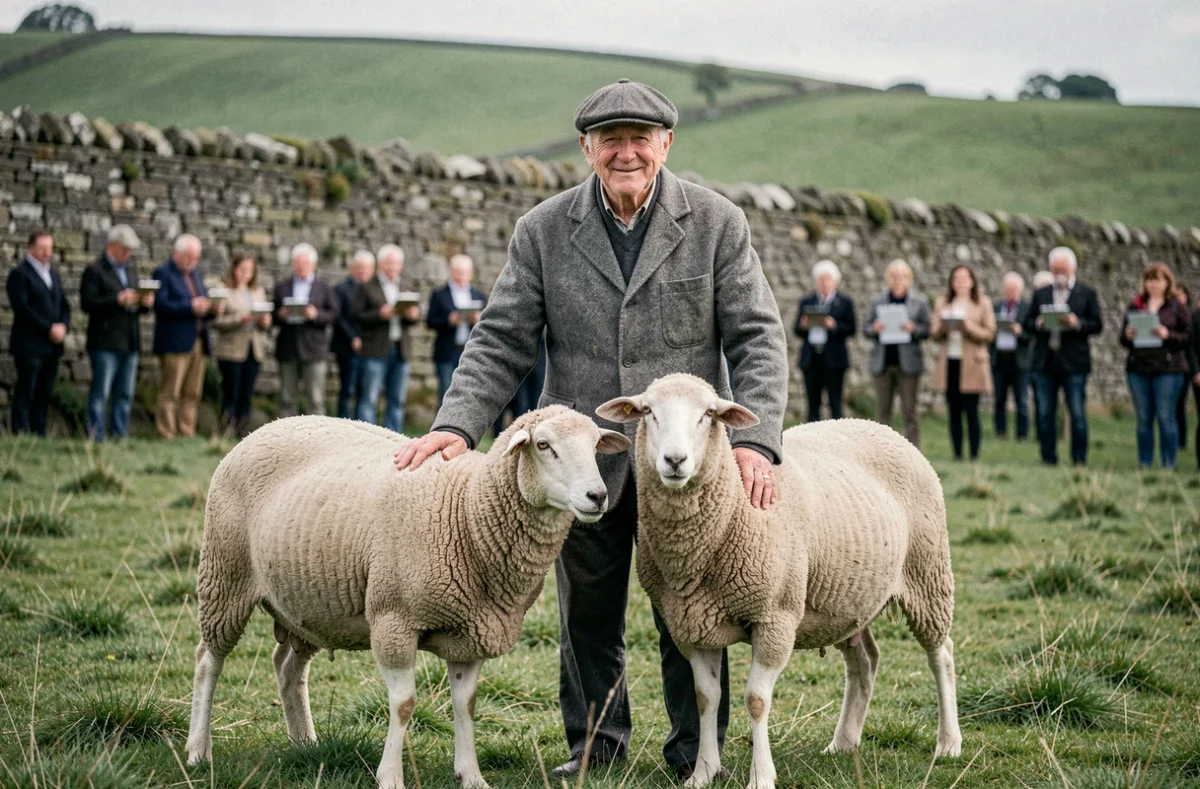
Regional agricultural competitions: celebrating rural talent beyond the national rankings
The Concours Général Agricole provides a national showcase, but local expertise is also recognized through regional initiatives. In Haut-Languedoc, a competition took to the fields to assess local agroforestry practices. In Normandy, the wetlands of Carentan-les-Marais hosted a competition celebrating farming in a distinctive environment.
These regional competitions offer an advantage that national rankings cannot replicate: they assess practices in their exact soil and climate context. A meadow on the Aubrac plateau and a Norman marsh face different constraints, and the expertise developed in each setting is entirely distinct.
The Graines d’Agriculteurs competition, launched in 2011 and organized by Terres Innovantes (the endowment fund of Jeunes Agriculteurs), adds a participatory dimension: the public can vote to choose the winners. This format encourages an entrepreneurial spirit among recently established farmers by bringing their practices to the attention of people beyond the agricultural sector.
How competitions make a difference for award-winning farmers
Recognition from a competition goes beyond raising a farmer’s profile. It documents practices that others can replicate, observe and adapt. When an Aubrac livestock farmer explains their parasite treatment schedule to a jury, that information becomes available to their peers.
Agricultural competitions, whether national or regional, serve as tools for sharing expertise among peers. The winner shares their approach, the jury confirms its agronomic and ecological value, and the local sector gains a documented example to draw on.
Preserving rural expertise cannot rely on oral tradition alone. It requires initiatives that formalize, assess and share practical approaches. Agricultural competitions serve this purpose, provided assessments remain grounded in the field and dialogue between the jury and the farmer is not reduced to a score.