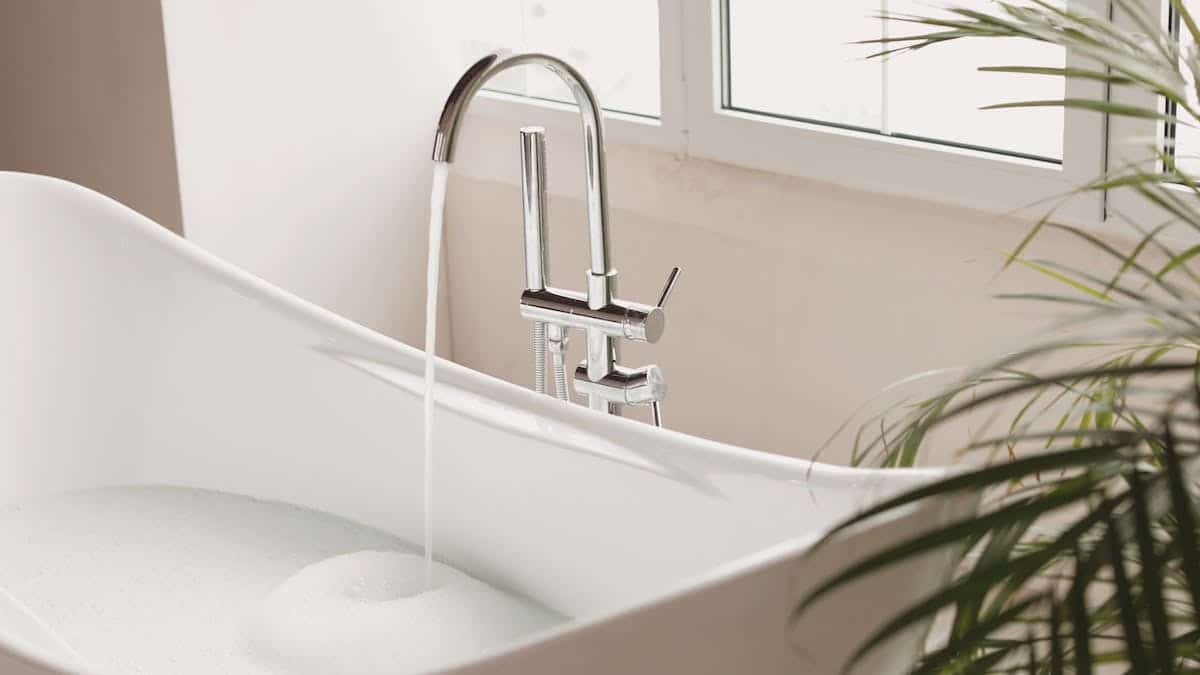
In the bathroom, every detail matters, including the height at which your bathtub faucet is installed. If it’s too high, it could cause splashes and water damage. If it’s too low, it may not fill the bathtub effectively. Are the current standards suitable for your specific needs? To address this dilemma, here is a detailed guide that will help you determine the ideal height for your bathtub faucet, taking into account factors such as the size of the bathtub, the style of the bathroom, and your personal preferences.
Ideal Height of a Bathtub Faucet: The Basics to Know
The height of the bathtub faucet is one of the most important elements to consider when choosing a faucet. Yet, many people do not always think about this essential aspect. Without proper installation, you may encounter various problems ranging from simple splashes during bathing to more serious complications such as difficult access for certain users.
The first criterion you should examine is the type of your bathtub. The size and shape can vary significantly and greatly influence the ideal height of the faucet. For example, a large rectangular bathtub often requires a taller faucet than one suited for a small round basin.
Next, consider user comfort. The optimal height may depend on who regularly uses the bathroom: children or adults? Seniors or young people? These groups have different needs and preferences that should be taken into account when choosing the height of their bathtub faucet.
You should also consider practicality in your decisions • anticipate how this system will be used daily; is it only for quickly filling your basin, or is easy access also needed for washing hair, for example?
Finally, remember that every home is unique with its own structural and stylistic challenges, so there will likely be some technical constraints that will affect your options regarding the ‘bathtub faucet height’. However, with a bit of careful planning and professional help if necessary, it is possible to find the right balance between functionality and design.
Essential Criteria for Choosing the Right Bathtub Faucet Height
While determining the ideal height of a bathtub faucet may seem like a simple task, it is important to consider the specific needs of your bathroom.
The first mistake to avoid is choosing an arbitrary height without considering the specific needs of the users. These elements can create an aesthetic imbalance.
The most common mistake to avoid is not consulting a professional to assist you in your decision-making process. A plumbing expert will be able to assess your specific needs, take into account the structural features of your bathtub, and guide you towards the optimal choice for the faucet height.
Determining the ideal height of a bathtub faucet requires some thought and careful attention to detail. By avoiding these common mistakes, you can create a functional and aesthetically pleasing space that meets the needs of users while adding a touch of elegance to your bathroom.
Avoid These Common Mistakes When Installing a Bathtub Faucet
With the right tips, you can properly install a bathtub faucet and ensure its proper functioning. Here are some practical tips to help you in this crucial step:
Preparation: Before starting the installation, make sure you have all the necessary tools on hand. This includes a wrench, sealing washers, Teflon tape, and a screwdriver.
Measuring: Take the time to accurately measure the distance between the floor and the edge of the bathtub. These measurements will help determine the ideal height of the faucet.
Wall Mounting: If you opt for a wall-mounted faucet, ensure that your wall is sturdy and capable of supporting the weight of the faucet. Use appropriate anchors to securely attach the wall bracket.
Connections: Make sure to use fittings compatible with your existing water supply system (usually ½ inch). Be sure to tighten all connections properly to avoid any future leaks.
Sealing: To prevent leaks, wrap each thread with Teflon tape before screwing the fittings together. This will ensure a watertight and durable connection.
Final Test: Once the installation is complete, slowly open the water valves to check for leaks at the fittings or the faucet itself. Also, check that the water flows correctly and that the pressure is adequate.
By following these tips, you will be able to successfully install your bathtub faucet. Remember that if you have any doubts or difficulties, it is best to consult a qualified professional to ensure optimal and safe installation. Once the installation is complete, fully enjoy your newly equipped and functional bathroom.
Foolproof Tips for a Successful Bathtub Faucet Installation
Now that you have installed your bathtub faucet, it is necessary to consider comfort and aesthetics in your bathroom. The height of the faucet plays a crucial role in this regard.
Think about functionality: ensure that the height of the faucet allows for practical use. It should be easily accessible to turn the water on and off effortlessly.
Consider the overall design of your bathroom. Choosing an appropriate height can contribute to the visual harmony of your space. If you have a freestanding bathtub, a taller faucet can create an elegant and majestic look.