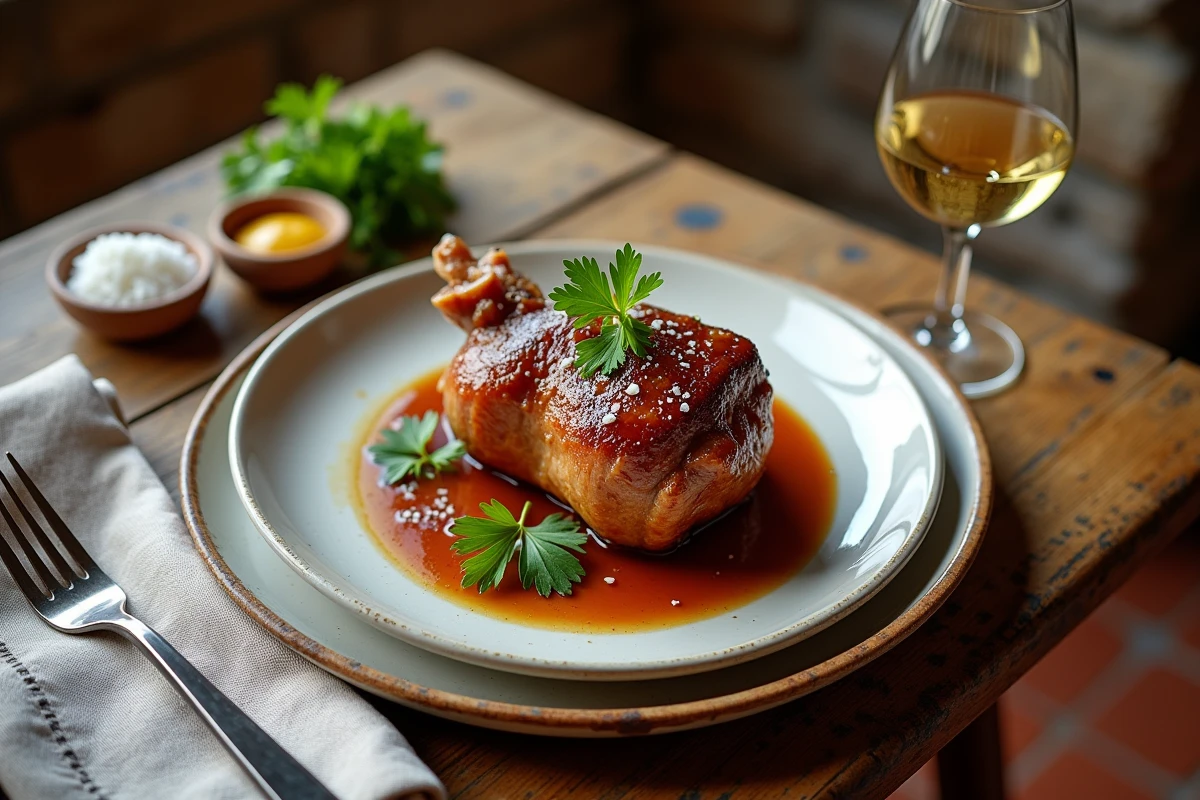
When preparing a pot-au-feu or homemade broth, the pig’s foot is one of those pieces that is almost instinctively added to achieve a gelatinous texture. However, this traditional cooking gesture hides a real nutritional interest. Rich in protein, collagen, and minerals, the pig’s foot deserves more attention beyond just grandma’s simple recipe.
Gelatinous broth: why the pig’s foot surpasses other cuts
Beef marrow bones are often chosen for making broth. However, the pig’s foot yields a more gelatinous result, thanks to its concentration of connective tissues. This natural gelatin, released through long cooking, transforms a simple broth into a thick and creamy base, without any additives.
This property is not just a matter of texture in cooking. The gelatin extracted from the pig’s foot is a degraded form of collagen, directly assimilable. It produces a broth that can serve as a base for soups, sauces, or even be consumed as is, as many culinary traditions do in Asia and Southern Europe.
To maximize extraction, pig’s feet are simmered for several hours over low heat, ideally with a splash of apple cider vinegar. The vinegar helps release the minerals from the bones and cartilage.
The result is a homemade product whose quality far exceeds that of industrial broths, which are often low in real nutrients. Those interested in the benefits of pig’s foot for health will find the same observation regarding the nutritional richness of this often-neglected cut.

Protein and collagen in the pig’s foot: what this cut really contains
Proteins represent a significant part of the energy intake, making it a more protein-rich food than one might imagine.
These proteins are largely collagen, a structural protein not found in chicken breast or a classic steak. Collagen is the main component of our tendons, ligaments, and cartilage. The body produces less of it with age, which explains the interest in including it in the diet.
Micronutrients to note
Beyond proteins, the pig’s foot provides zinc and selenium. Zinc contributes to the functioning of the immune system and promotes healing. Selenium plays a role in protecting cells against oxidative stress.
- Protein rich in collagen, absent from most lean meat cuts
- Source of zinc, a trace element that many diets poorly cover
- Presence of selenium, associated with cellular protection
- Moderate fat content compared to other fatty cuts like belly
One point to keep in mind: the semi-salted pig’s foot contains a significant amount of salt. Monitor sodium intake if it is regularly included, especially in cases of hypertension.
Slow cooking and homemade preparation: the method that preserves nutrients
You don’t eat a pig’s foot like a beef steak. Slow cooking is the only method that allows connective tissues to transform into assimilable gelatin. Braising for several hours, covered and at low temperature, is the reference technique.
A cooking time that is too short leaves the collagen intact and the cut tough. This is the main reason some abandon the pig’s foot after a first failed attempt. Patience makes all the difference.
Culinary pairings for a balanced meal
The pig’s foot pairs well with root vegetables (carrots, turnips, celery) and herbs like thyme or bay leaf. These combinations are not just a matter of taste. The vegetables provide the fiber and vitamins that the pig’s foot lacks, which balances the meal.
- Prepare a basic broth with pig’s feet, onion, carrot, and bouquet garni to obtain a versatile cooking base
- Add green vegetables at the end of cooking to complete the vitamin intake
- Use the gelatinous broth as a soup base instead of industrial cubes rich in salt and additives

Pig’s foot and balanced diet: what to expect, without exaggeration
Sometimes it is said that the pig’s foot “rejuvenates the skin” or “repairs joints.” These claims circulate widely, but they are more related to traditional use than to specific clinical validation of this food. Dietary collagen is not directly reused as is by the body: it is digested into amino acids, like any other protein.
This does not detract from the nutritional interest of the pig’s foot. Its amino acid profile (glycine, proline) complements that of classic lean meats. It is a contribution that most modern diets, focused on fillets and escalopes, no longer cover.
Feedback varies on this point, but many people who regularly consume bone broth or pig’s foot report better digestive comfort. The likely explanation lies in the gelatin, which forms a protective gel in the intestine.
The pig’s foot remains an economical product, available at most butchers and supermarkets. Incorporating this cut once or twice a month into your cooking is enough to diversify your protein intake and enjoy a homemade broth of a quality difficult to reproduce otherwise. It is a simple gesture, rooted in centuries of culinary practice, that yields concrete results in the kitchen as well as on the plate.