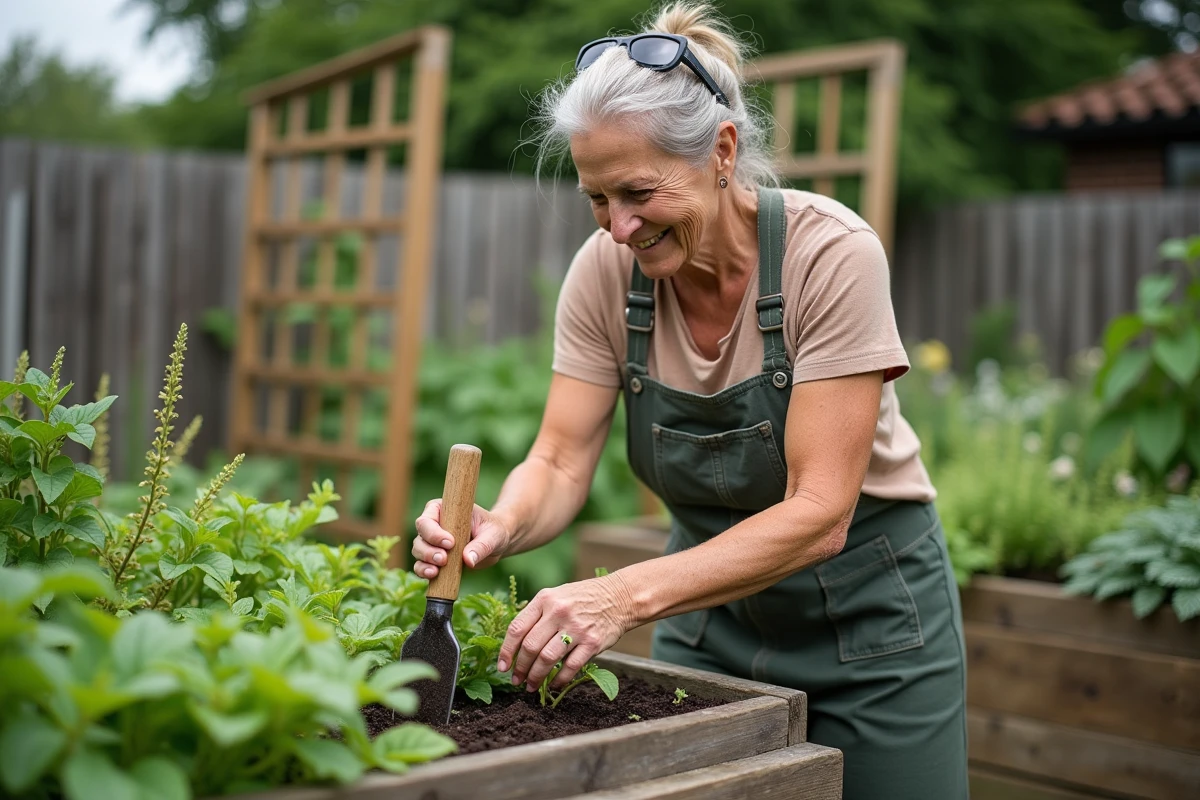
No industrial fertilizer can sustainably compete with the fertility generated by a living soil, rich in microorganisms. Certain traditional practices, such as deep tillage, disrupt the natural balance and reduce long-term productivity.
Proven techniques allow for abundant harvests without polluting or depleting resources. Plant associations, the use of organic mulches, and rainwater harvesting promote a balance between yield and environmental respect.
Why adopting an ecological garden at home changes everything for the planet and your well-being
Choosing the ecological garden means rejecting the artificialization of nature and reconnecting with the natural cycle, biodiversity, and biological balance. A living plot is not just about the blooming of flowers or the harvesting of vegetables: it becomes a refuge, pantry, and shelter for valuable beneficial wildlife. Pollinating insects, bees, or ladybugs coexist with birds, hedgehogs, and earthworms. Each plays a crucial role. Some pollinate, others naturally regulate pests, and all contribute to soil enrichment and garden resilience.
Plant diversity is not only an aesthetic or nutritional requirement. It is part of a holistic approach: protecting local biodiversity, adapting to the climate of the area, and preserving water resources. Banning chemical fertilizers and prioritizing ecological practices prevents groundwater pollution and encourages the establishment of sustainable ecosystems. This choice has a direct effect on health, quality of life, and the immediate environment.
The ecological garden is envisioned as a space of freedom, discovery, and experimentation. Welcome, observe, and let life express itself. For those wishing to delve deeper into these approaches, https://www.planetegarden.fr/ (Planète Garden – Our advice for your garden) offers diagnostics, tips for enriching biodiversity, and practical advice for setting up a sustainable and productive garden that respects both nature and its inhabitants, human and non-human alike.
What permaculture principles and simple actions for an environmentally friendly edible garden?
Choosing a permaculture garden means deciding to work hand in hand with nature. Crop rotation maintains soil fertility and slows the onset of diseases. Focusing on plants adapted to the local climate, whether they are heirloom, hardy, or nectar-rich, provides a reliable and sustainable balance.
Here are some key guidelines that promote the vitality of an edible garden:
- The association of companion plants protects vegetables from pests, enriches the soil, and attracts pollinators and beneficial insects.
- A simple vegetable patch can host tomatoes, basil, marigolds, and carrots in a beneficial alliance.
Mulching is a fundamental practice. Straw, wood chips, fallen leaves, or grass clippings retain moisture, nourish underground life, and reduce watering needs. Collect rainwater and prefer drip irrigation for a responsible management of resources. Transforming kitchen and garden waste into compost closes the loop of organic matter, without chemical fertilizers.
To enhance diversity, prioritize ground cover and aromatic plants: mint, chives, thyme. These allies limit weed growth, scent the space, and enrich your plate. Consider planting flowering meadows and diverse hedges, true refuges for insects and birds. Forget chemical pesticides. Opt for homemade solutions: decoctions, plant extracts, natural fertilizers. This way, you stimulate soil life and maintain the proper balance of your plot.
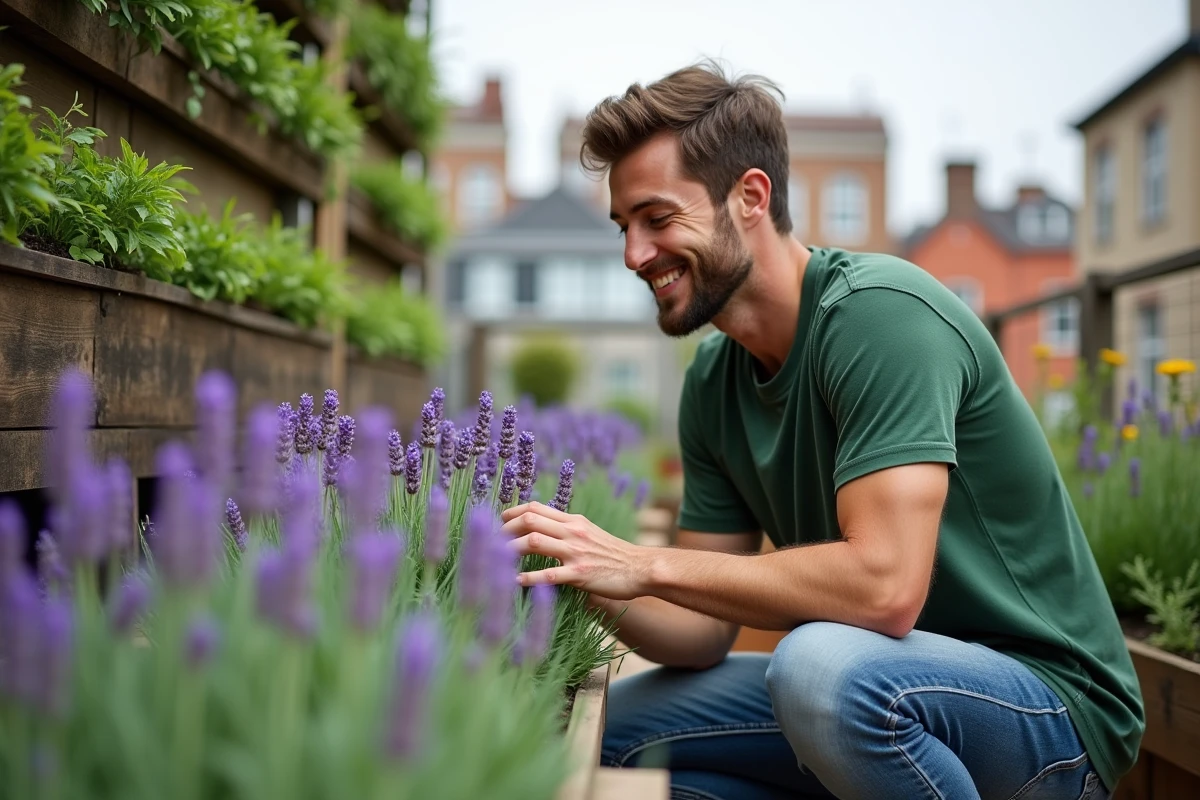
Focus on practical tips to easily start your eco-friendly garden, even without experience
An eco-friendly garden is not reserved for experts. Starting begins with observing your land, noting the light, shaded areas, moisture, and water flow. This initial assessment guides the choice of planting zones based on the needs of the plants. Installing diverse hedges or sowing a flowering meadow attracts biodiversity: birds, pollinators, hedgehogs, and ladybugs will naturally settle there.
Some simple actions make a real difference:
- Collect durable or recycled materials to create borders, paths, or outdoor furniture, favoring local wood or natural stone.
- Create mulching and composting areas that valorize green waste and nourish the soil.
- Install birdhouses, insect hotels, or hedgehog shelters (wood piles, stone walls) to strengthen the biological balance of the garden.
- Leave an unmowed area or a patch of wild land, conducive to spontaneous nature and the preservation of beneficial wildlife.
Adopt a differentiated maintenance approach: work the soil sparingly, welcome the growth of certain wild plants, and focus on the succession of blooms throughout the seasons. Even a tiny water feature becomes a magnet for dragonflies and birds. To prevent diseases, vary species and prioritize biological control over chemical products. Together, these actions create a garden that lives, nourishes, and inspires the future.