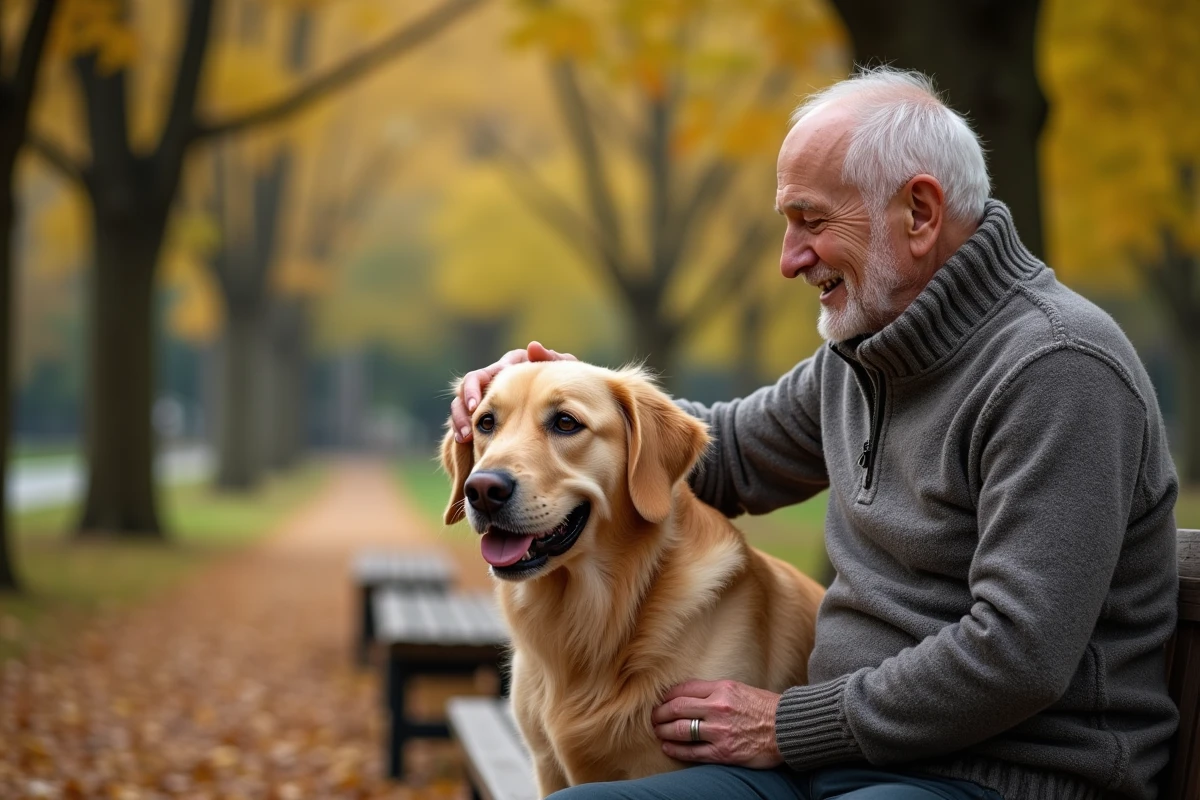
A chimpanzee shares more than 98% of its DNA with humans, but develops distinct social strategies and modes of expression. Some legal systems now consider certain animals as non-human persons, challenging the boundaries established by biology and law. In Renaissance painting, animals serve alternately as emblems, mirrors, or moral symbols, while modern ethology observes forms of empathy, memory, and cultural transmission in certain species. The lines of demarcation evolve, driven by both scientific advancements and collective representations.
Human and Animal: What Biological and Cultural Differences Mark Our Coexistence?
Since the earliest foundational narratives, the relationship between humans and animals has shaped our societies. Adam names each species, thus asserting a clear power over the rest of the living world. This separation is rooted in our heritage, but throughout history, the boundary has cracked. From the Middle Ages onward, animals exceed the simple status of objects: they invade narratives, stand before judges, and share the precarious fate of humans. An executed sow or a judged ox illustrates the complexity of our coexistence. The boundary is not absolute: it bends to uses, contexts, and beliefs of the moment.
Some examples help to better grasp these subtleties:
- During the Middle Ages, the separation between humans and animals blurs, shaken by practice and daily life.
- Trials are conducted against animals, revealing a vision of the law that is far removed from our own.
- The imaginary, faith, and collective tales nourish a unique relationship, marked by symbols and shared fears.
To learn more about these fascinating links, feel free to discover lanimaletlhomme.fr in detail and explore all the themes addressing human-animal coexistence from yesterday to today.
When Animals Inspire Art: Symbols, Myths, and Representations Through the Ages
The fascination for animals in art spans centuries. From the Middle Ages, bestiaries become mirrors of collective mentalities: they combine refined observations with fantastic tales. The lion cunningly obscures its trail, the unicorn heals by presence, the wolf becomes a double, enigmatic, oscillating between fear and respect. Flamboyant or modest, each animal tells a piece of humanity.
Everywhere, myths intertwine with reality: unicorns, dragons, or dogs with human heads fade or merge into the common life of dogs, bears, or wild boars. They appear on medieval world maps, in basilicas, tapestries, and illuminated manuscripts. Isidore of Seville and his Etimologies become a crossroads where narratives, knowledge, and fables intersect, a lush inventory of both real and imaginary life.
Here are some key points about the role of animals in these representations:
- The fauna serves as a moral or social mirror: a source of anxiety, dreams, or fables depending on the times and intentions.
- Bears or wild boars are perplexing: sometimes protective allies, sometimes feared, they are ambivalent figures that are either tamed or repelled. Medieval saints themselves are distinguished by unique ties with beasts.
- Bestiaries have profoundly shaped Western imagination and our way of representing animals in art, literature, and culture up to today.
The animal then shifts from being a mere backdrop to an existential reference point. Art multiplies reflections, questions strangeness, shatters certainties, and compels us to probe ever deeper into our own humanity.
Animal Psychology and Contemporary Perspectives: Towards a Renewed Understanding of Our Bond
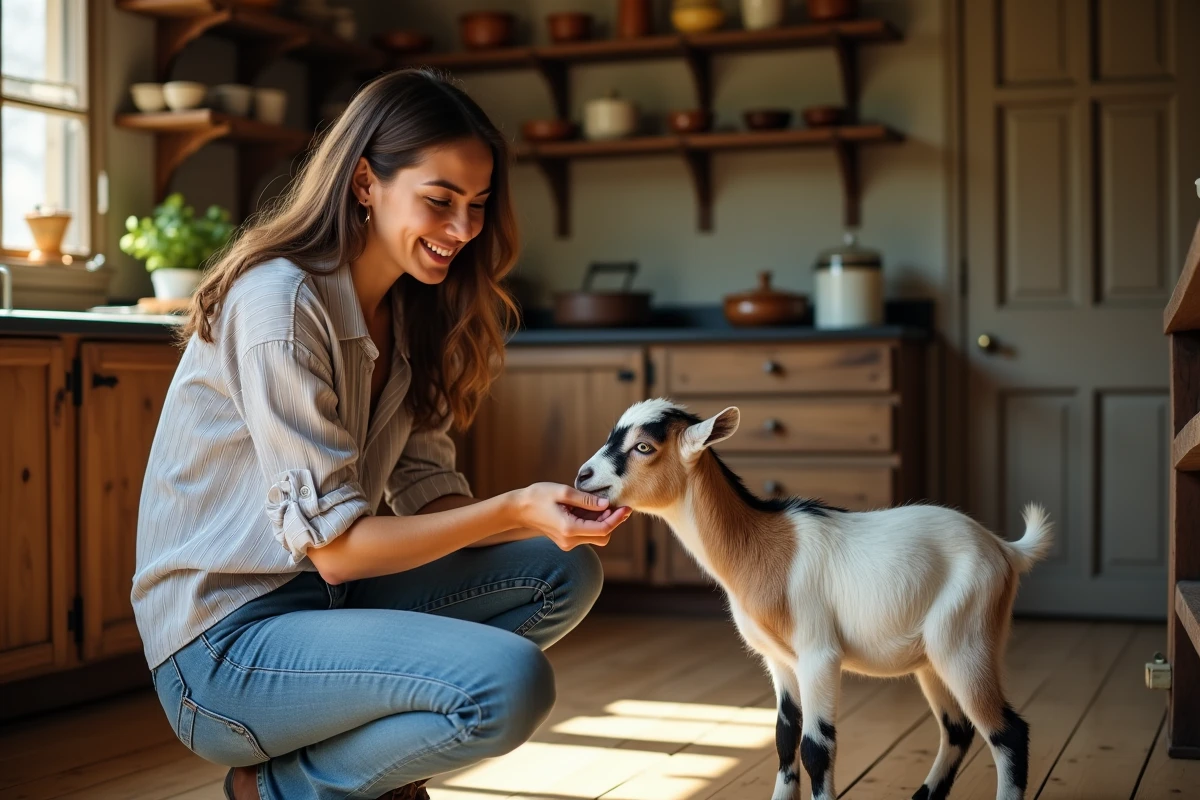
Advancements in animal psychology are revolutionizing our view of living beings. The intelligence of crows, the persistent memory of elephants, the tenderness exhibited by certain primates: these discoveries challenge the established hierarchy. Attributing consciousness, pain, and emotion to animals is no longer a fable but an experimental reality, illuminated by modern ethology.
Saint Francis of Assisi, several centuries before us, already affirmed the value of every being, even elevating animals and inanimate objects to the same rank as humans. His vision seems to resonate today with renewed strength, as recent research confirms the depth of the human-animal bond.
To grasp the current impact of animal psychology:
- Experiments reveal that many species feel, think, interact, and express sadness or joy in their own way.
- The growing presence of pets in our homes redefines the boundary between domestic and wild, transforming our relationship with nature.
Our time can no longer view animals as mere extras. Recognizing animals in their otherness means accepting the need to revisit the place of humans among the living, to combine science, sensitivity, and responsibility. This awareness paves the way for an ever-renewed dialogue, where each moment brings us closer or questions us about the shared destiny with our non-human counterparts.
Boundaries shift, fade, or reappear, but the conversation, sometimes quiet, sometimes passionate, continues, surprises, and relentlessly reignites the grand narrative of our coexistence. And tomorrow, who will dictate the next chapter of this shared story?