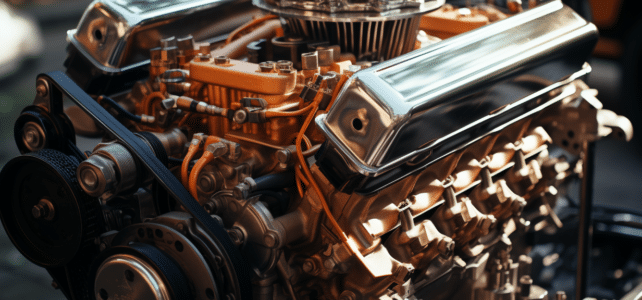
In the world of automotive restoration, vintage vehicles are treasures that testify to a bygone era. Guardians of stories and mechanical know-how, these machines inspire passion and admiration. However, keeping these pieces of history on the road presents a significant technical challenge. Owners often face complex mechanical issues due to wear and tear, the rarity of spare parts, or outdated technologies. In the face of these challenges, innovative solutions and a dedicated community of experts and enthusiasts are organizing to preserve automotive heritage and perpetuate the joy of driving these machines of yesteryear.
The Challenges of Maintaining Vintage Vehicles
Preserving vintage vehicles is set against a backdrop where the ecological urgency demands a rethink of our mobility. Indeed, air pollution is a central debate, particularly for owners of used vehicles. The maintenance and repair of these cars require specific expertise, often costly and hard to find, thus confronting enthusiasts with economic and environmental dilemmas.
Public authorities, aware of the rising greenhouse gas emissions, are multiplying directives to encourage the abandonment of thermal cars in favor of electric vehicles. Subsidies aim to facilitate the transition, but they do not address the specific challenges related to owning collector cars. These vehicles, often exempt from traffic restrictions, still face issues such as hidden defects in cars over 10 years old, a headache for owners concerned about the reliability of their vehicle.
The low emission zones (ZFE-m) restrict access for polluting vehicles in metropolitan areas such as Paris, Lyon, or Grenoble. These measures, supported by the climate and resilience law, aim to apply ecological standards across all urban areas, directly impacting the automotive fleet and encouraging a cleansing in favor of vehicles that meet new environmental requirements.
A PhD thesis in sociology reveals the growing interest in sustainability, which is not foreign to the ownership and use of vintage cars in a contemporary context. This research highlights the heritage value of these vehicles and their potential to fit into a sustainable mobility paradigm, despite the challenges. Consider these issues, as they shape the future of mobility and the automotive industry in France.
Strategies and Innovations to Preserve Automotive Heritage
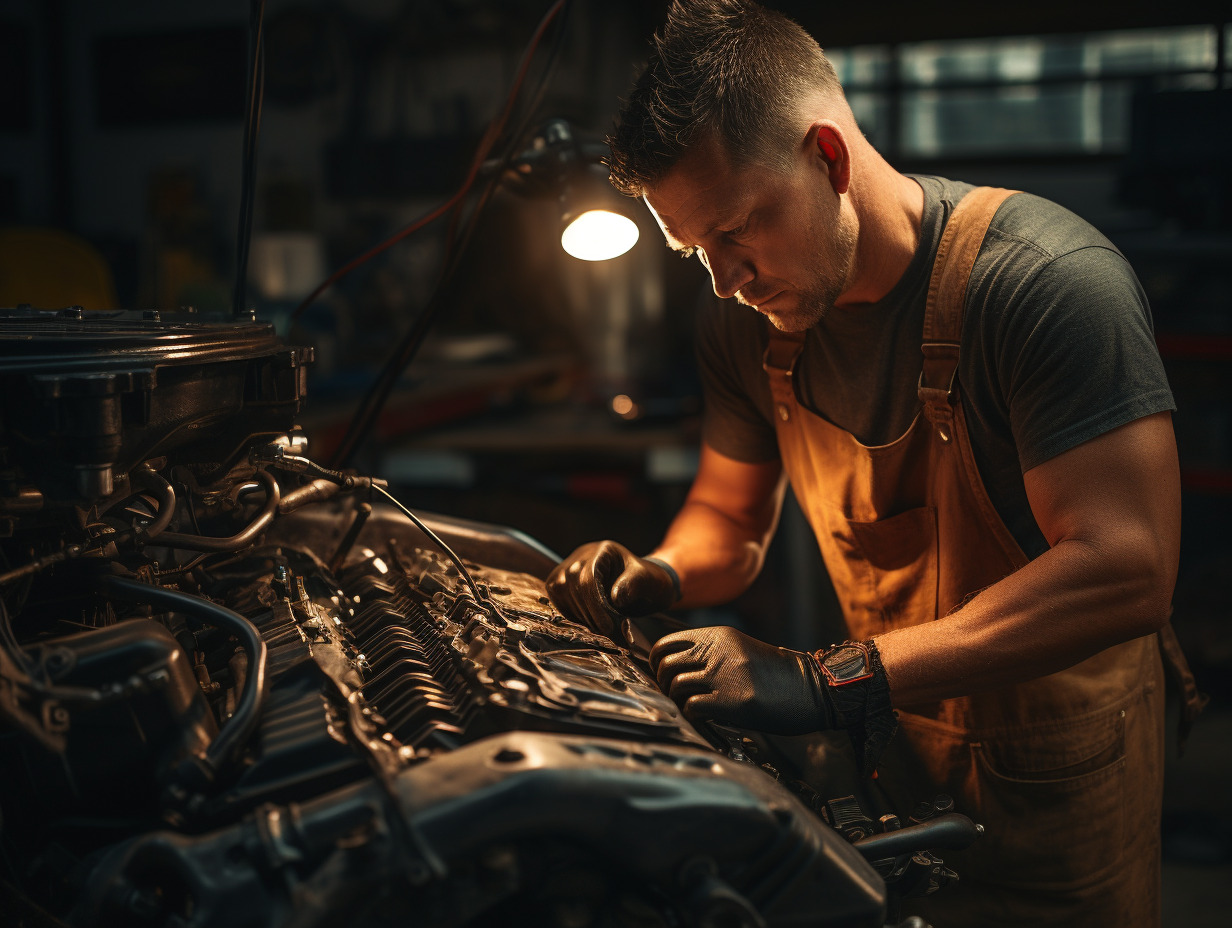
In the face of the imperative for ecological transition, reuse ecology presents a tangible way to reconcile the passion for vintage vehicles with environmental preservation. Advocated by enthusiasts and professionals in automotive restoration, this approach aims to extend the life of vehicles through respectful restorations and adapted technical upgrades, thereby reducing the need to produce new vehicles. The promotion of this approach by figures such as Gaëtan Mangin, who actively contributes to the reflection on automotive and ecology, shows that the preservation of automotive heritage can fit into a credible ecological discourse.
The ecological transition, often highlighted by French manufacturers, is not without criticism, particularly regarding greenwashing. Indeed, the production of new vehicles, including electric ones, involves the extraction of precious metals, an activity with significant environmental consequences. In this context, the restoration and maintenance of vintage vehicles appear as a less harmful alternative for the environment, questioning the systematic necessity of acquiring the latest models offered by brands such as Renault or Peugeot.
The emergence of alternative mobilities, such as increased bicycle use, is advocated by users and urban planners for a rethinking of the mobility system. These practices, far from being limited to a renunciation of the automobile, invite a reconsideration of the car’s place in our societies. They underscore the importance of a multimodal approach to mobility, where vintage vehicles, used responsibly and judiciously, can coexist with other, more environmentally friendly modes of transport.